
The Pros & Cons of Selling The Paddington Barracks
The announcement surrounding the potential sale and redevelopment of the Paddington Barracks precinct has quickly become one of the most discussed topics across Sydney’s Eastern Suburbs property market. As buyers’ agents working closely with both homebuyers and investors, we see these types of strategic land releases as far more than a single transaction, they represent a shift in how supply, infrastructure and buyer demand will evolve across the east over the coming years.
From a market perspective, the sale of large government-held sites, including defence-related land in prestige suburbs is part of a broader push to unlock underutilised land for housing and community infrastructure. Recent reporting has indicated that several defence owned properties across Sydney’s eastern suburbs are being prepared for sale, with the goal of creating additional residential opportunities in tightly held locations where new stock is traditionally scarce.
For buyers, this is significant. The Eastern Suburbs has long been defined by constrained supply and exceptionally high barriers to entry. When a large parcel like the Paddington Barracks is introduced into the development pipeline, it has the potential to diversify housing options particularly through medium-density or boutique residential projects rather than the typical luxury knockdown-rebuild model that dominates many blue chip streets.
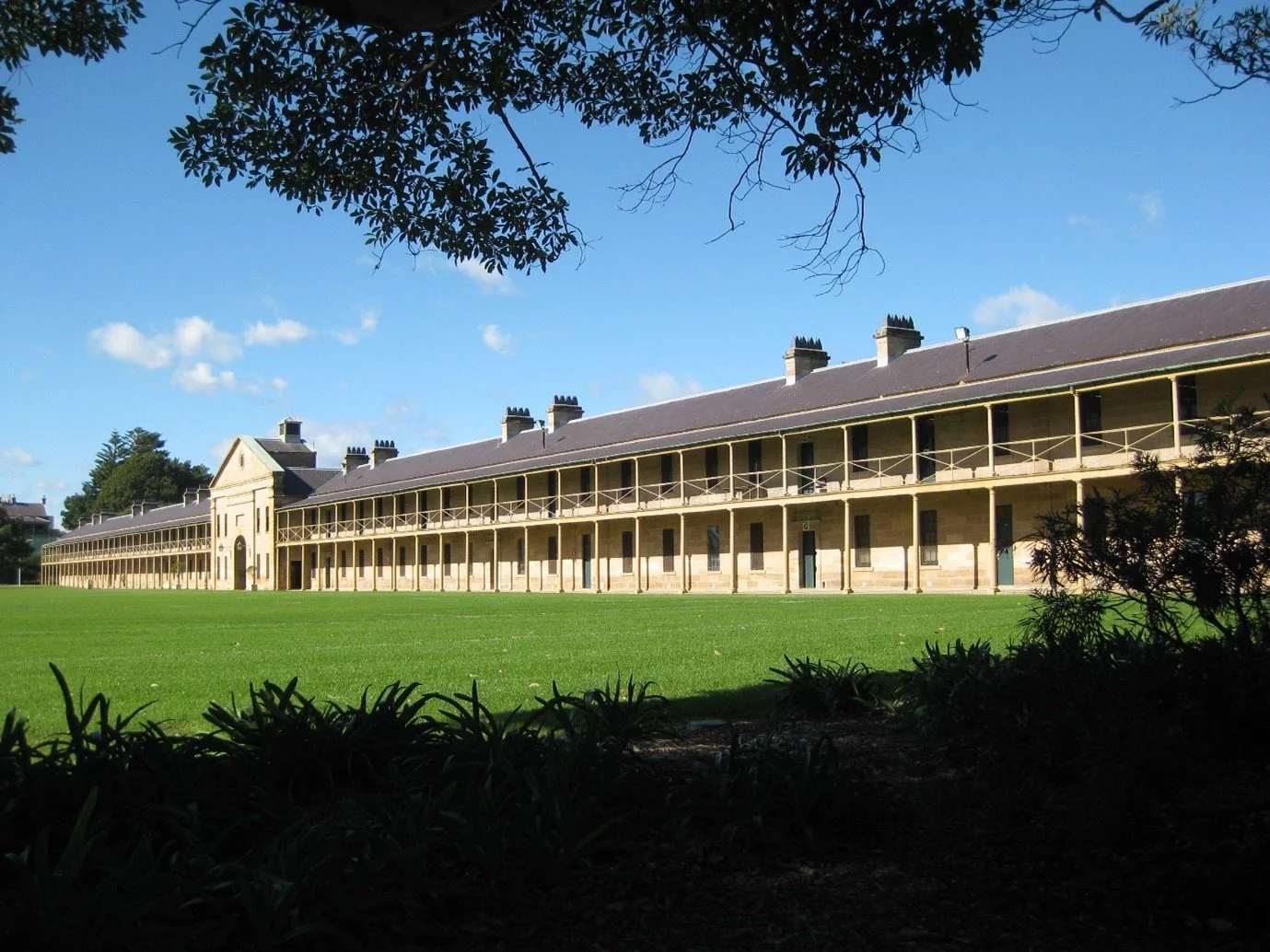
Paddington Barracks NSW
One of the immediate impacts we anticipate is a renewed focus on the Oxford Street and Paddington-Woollahra corridor. Planning discussions around the barracks precinct have highlighted opportunities for improved green space, new housing and enhanced accessibility and all elements that historically drive long-term capital growth in surrounding suburbs. Buyers who have previously overlooked parts of Paddington due to limited stock or outdated housing may begin to reassess the suburb’s value proposition as urban renewal accelerates.
However, it is important to understand that large redevelopment projects rarely have a short-term dampening effect on prestige markets. In fact, in the Eastern Suburbs we often see the opposite. When government or institutional land is repositioned for residential use, it reinforces confidence in the broader area and attracts infrastructure upgrades, improved streetscapes and new lifestyle amenities, all of which tend to support price resilience rather than weaken it.
From a buyer strategy perspective, the impact will vary across different segments of the market.
For owner-occupiers, new developments linked to the barracks site may provide rare opportunities to secure modern homes in established blue-chip locations, something that has historically been limited in Paddington. Downsizers and professional couples seeking low maintenance living close to the CBD are likely to be a key demographic, particularly if boutique apartment offerings emerge.
For investors, the flow on effect may be seen in increased rental demand as construction activity and urban renewal draw new residents into the area. Improved amenity, upgraded retail strips and enhanced transport connectivity could strengthen tenant appeal across neighbouring suburbs such as Woollahra, Edgecliff and Darlinghurst.
At the prestige end of the market, the sale is unlikely to create downward price pressure. The Eastern Suburbs’ core drivers, limited land, lifestyle appeal and international buyer interest remain firmly intact. Instead, we expect a ripple effect where surrounding streets benefit from improved infrastructure and renewed buyer attention.
Timing will also be critical. Large redevelopment projects typically move through long planning and approval processes, meaning the most tangible impacts on property values are often felt gradually rather than immediately. Buyers who act early before projects are fully realised may benefit from securing property ahead of broader market recognition.
For strategic buyers, the opportunity lies not just in the site itself but in identifying surrounding streets and property types that stand to benefit from renewed infrastructure, improved amenity and increased buyer confidence as the precinct evolves.
Pros (Potential Benefits)
1. Release of Under-utilised, Costly Land
The federal government plans to sell Victoria Barracks along with dozens of other defence sites identified as “surplus, lightly used or vacant.” This is part of a major divestment aimed at raising funding by freeing up inefficiently maintained properties.
2. Economic Uplift from Development
The potential sale could generate significant revenue (estimates vary but billions nationally), reduce defence maintenance costs, and free the land for higher value uses possibly housing or mixed development.
3. Housing and Urban Renewal Opportunities
Given Victoria Barracks’ location near the CBD, its divestment could create opportunities for new housing (including potentially affordable housing), public green space, mixed-use precincts, or other community infrastructure. This could help ease housing pressures in inner Sydney.
4. Potential for Public Access and Community Use
If handled with strong planning and community input, parts of the site could become public parks, cultural facilities, or community spaces improving amenity and connectivity for Paddington residents.
5. Heritage Conservation with Adaptive Reuse
Community visioning exercises and council planning principles are exploring how to protect historic buildings while incorporating compatible commercial or community uses. This could preserve the Barracks’ heritage while giving it a new public purpose.
Cons (Risks & Challenges)
1. Heritage Loss or Alteration
Victoria Barracks is one of Australia’s most historically significant military sites, with buildings dating back to the 1840s. Heritage groups and community advocates warn that private development could compromise its character or lead to inappropriate changes.
2. Community Backlash
Local councils, resident associations, and some politicians have voiced concerns that selling the site purely for profit without robust planning protections which could harm neighbourhood identity and green space.
3. Development Pressure and Density Debate
High land values in Paddington could encourage proposals with increased building heights and density, which may be perceived as out of scale with the existing urban fabric potentially raising NIMBY-style opposition.
4. Long-Term Planning Complexity
Decisions on land use, heritage conservation, remediation costs, and community benefit are complex and could take years. Missteps in planning could lead to suboptimal outcomes for residents.
5. Local Infrastructure & Services Strain
If the site is redeveloped for housing or commercial use, increased population density could put pressure on local infrastructure (transport, schools, parking), depending on how it’s planned.