
The Property Edit | Reading the Market Beneath the Surface
Welcome to a short, practical update from the Eastern Suburbs.
In this month’s Property Edit, we are sharing two practical lenses for buyers in the Eastern Suburbs.
Firstly, how presentation can influence competition, and where clutter or over-personalisation can create negotiation opportunity. Plus, a snapshot of the region’s dwelling mix, and why the Eastern Suburbs is really a collection of micro-markets.
And a quick local note from Paddington. Jimmy’s Falafel has just opened on Oxford Street, with hours that work for both early dinners and late nights.
Let's dive in.
How Overly Personalised or Cluttered Homes: Create Opportunity for Buyers
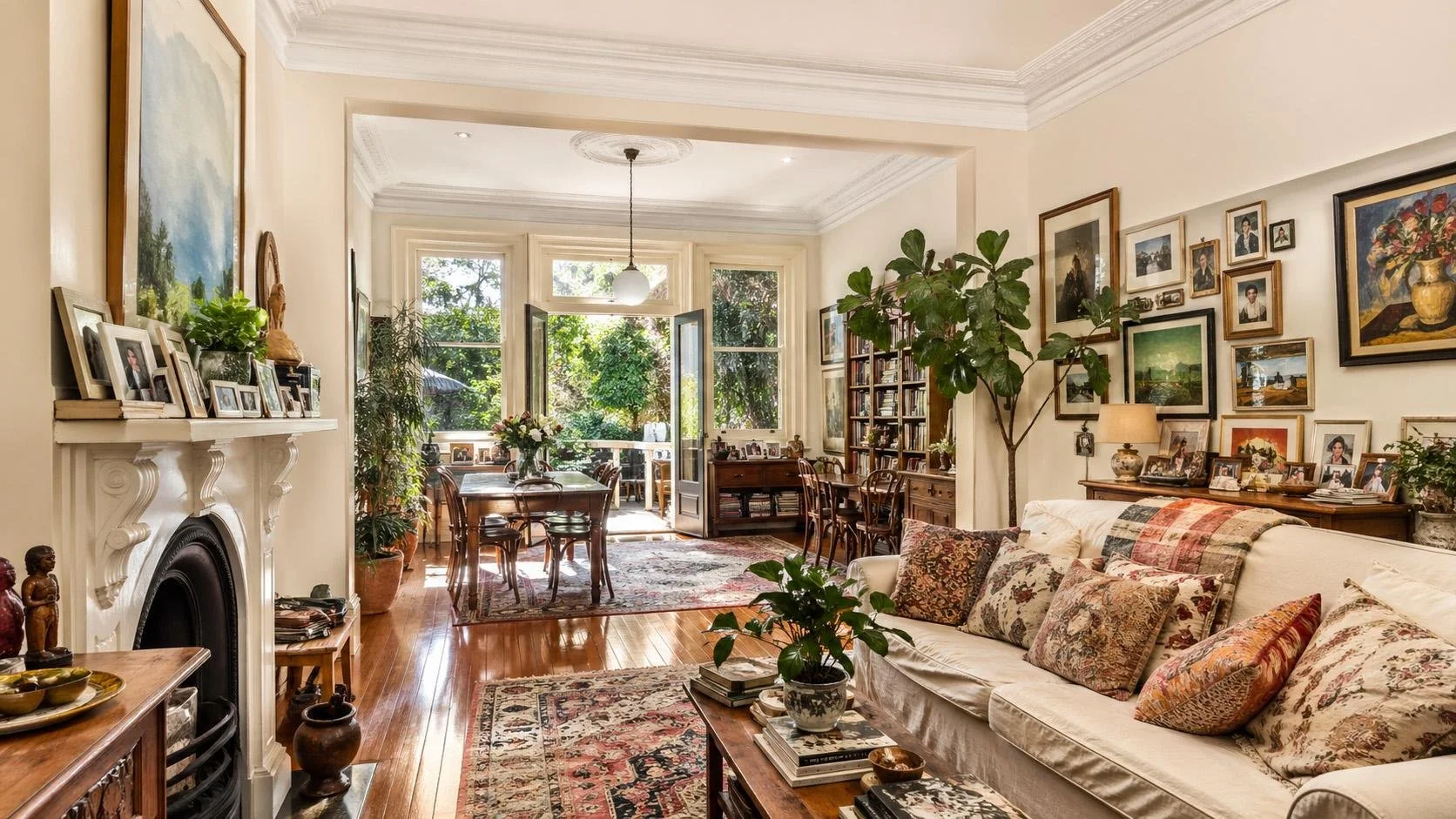
From a buyer’s agent perspective, property presentation is more than aesthetic. It can create a strategic advantage.
Strong prices are usually driven by emotional connection. When buyers can easily picture themselves living in a home, competition increases. But when a property feels overly personalised, cluttered, or visually overwhelming, that connection is harder to form.
That hesitation can create opportunity.
Homes with bold styling, unusual layouts, highly specific finishes, or too much clutter often narrow the buyer pool. Instead of feeling move-in ready, they can feel like a project. Buyers start thinking about repainting, replacing fixtures, improving storage, or reworking spaces. Once that happens, emotion gives way to logic, cost, and caution.
For a buyer’s agent, this is where negotiation leverage can begin.
A cluttered home may feel smaller, darker, or less functional than it really is. It can create uncertainty around layout, storage, and flow, which are all important decision-making factors. When buyers feel unsure, they are less likely to compete aggressively.
From a strategic standpoint, we can use this to position offers more effectively. Presentation can be framed as a barrier to broader market appeal, while perceived improvement costs can support a more measured offer. Even when the actual work is minor, the perception can influence how buyers value the property.
This is not about undervaluing a home. It is about understanding how the market is likely to respond. A poorly presented or highly personalised property may not generate the same level of competition as a clean, neutral, move-in ready alternative.
If the property also spends longer on the market, the buyer’s position may strengthen further. Reduced competition, perceived future costs, and increased days on market can all create room for negotiation.
Ultimately, presentation shapes buyer behaviour. For buyers, a home that feels too personal or cluttered is not always a drawback. With the right strategy, it can become an opportunity to secure a stronger outcome.
What's New: Jimmy’s Falafel, Paddington
Paddington has a new casual opening worth knowing.
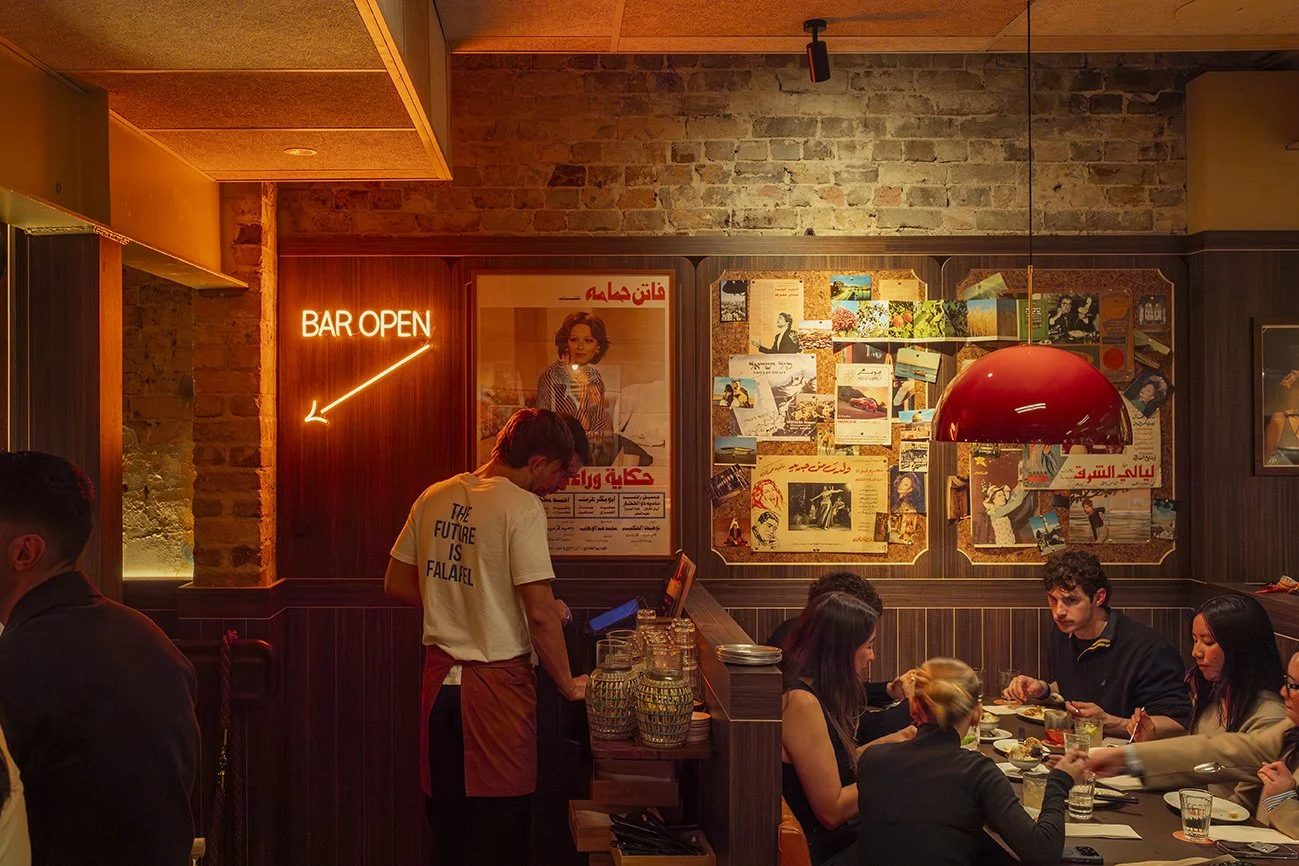
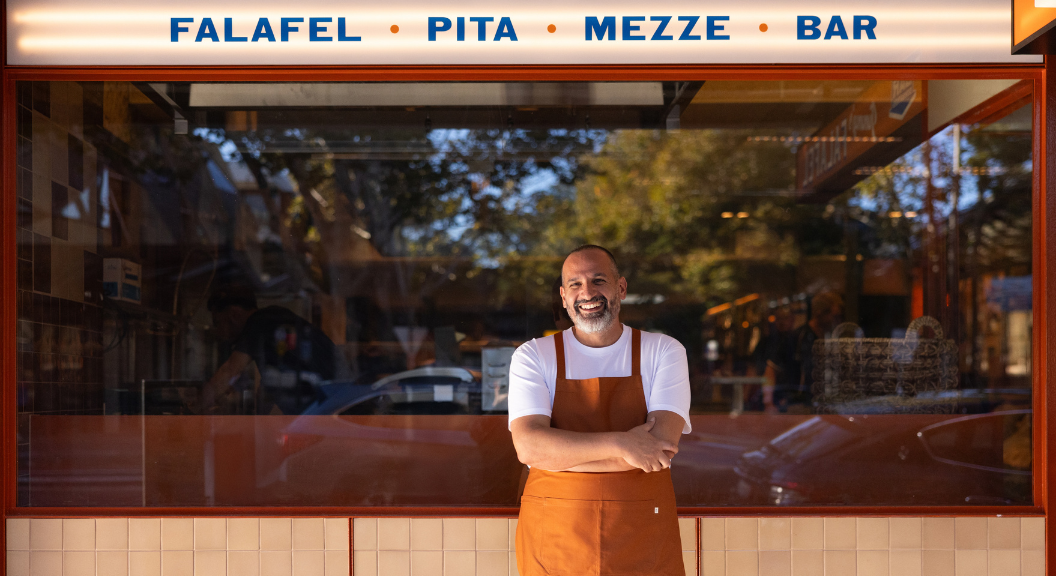
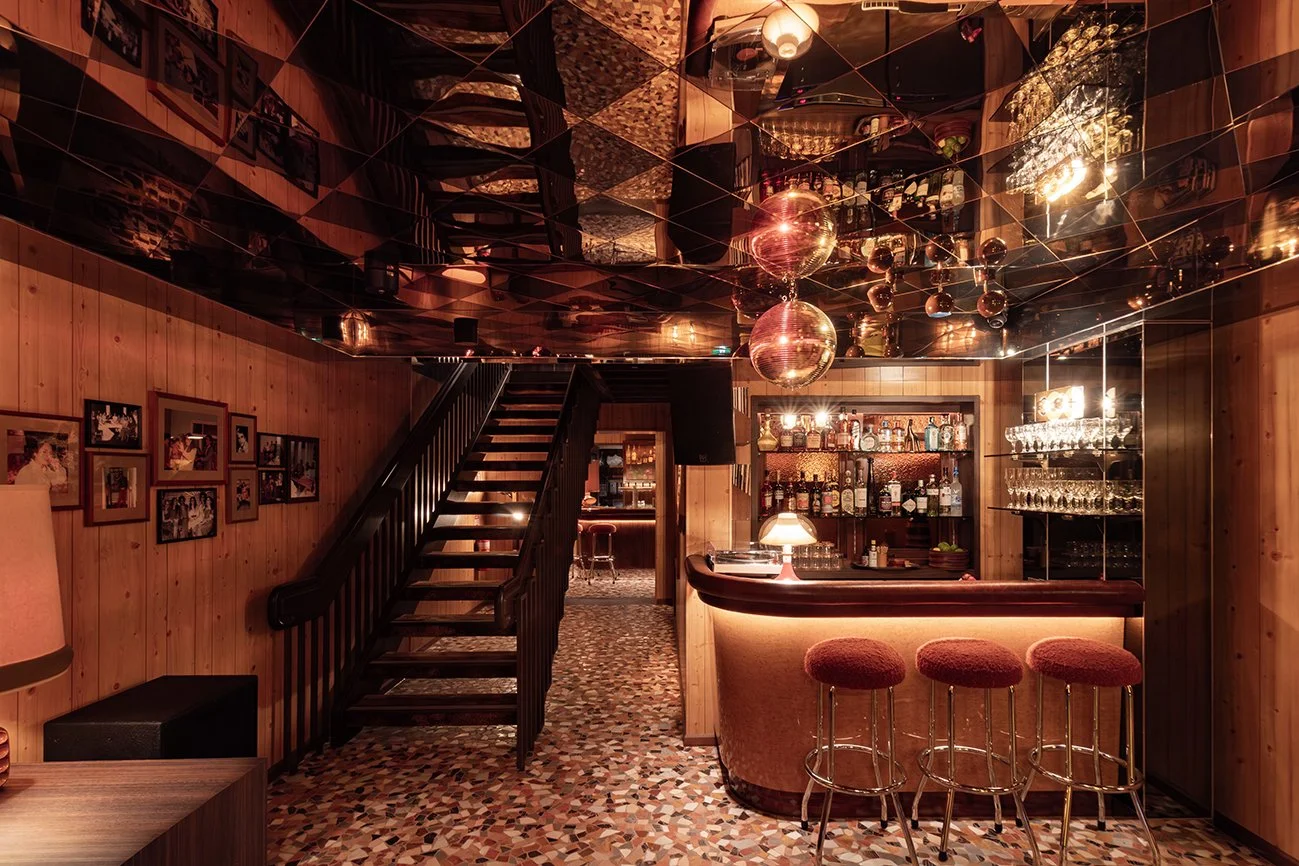
Jimmy’s Falafel has arrived on Oxford Street, bringing the familiar Middle Eastern menu and easy energy the brand is known for, now in a three-level Paddington terrace.
It’s designed for simple drop-ins and shared plates, with hours that work for both early dinners and late nights.
📍 374 Oxford Street, Paddington
🕔 Tuesday to Sunday,
12pm–12am
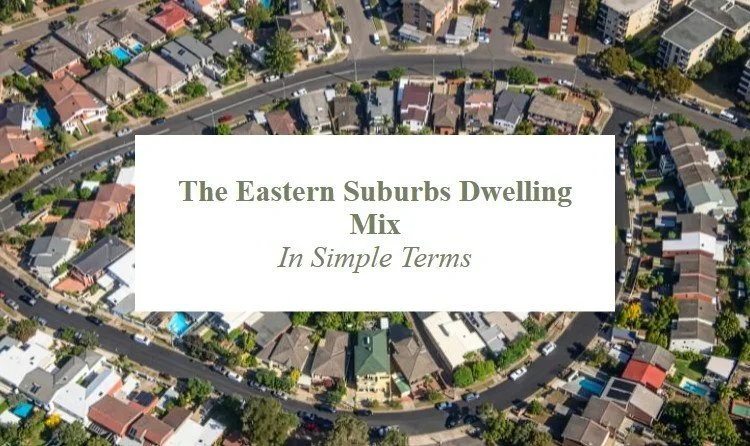
The ABS doesn’t publish a single, neat “headline split” for the Eastern Suburbs as one region. But when you look at census patterns and suburb-level housing stock, the picture is consistent.
Approximate mix
Apartments and units: around 60% to 70%
Detached houses: around 30% to 40%
What that tells us
The Eastern Suburbs remains one of Australia’s most apartment-dense regions. In many suburbs, apartments make up the majority of housing stock, including a significant concentration of older apartment buildings and a large share of Sydney’s Art Deco-style housing.
The important nuance
The mix varies significantly by suburb.
More apartment-led pockets (often 70% to 90% units):
Bondi, Bondi Beach, Coogee, Randwick, Kings Cross, Potts Point, Zetland
More house-led or balanced pockets:
Vaucluse, Dover Heights, Rose Bay, Bellevue Hill
The takeaway is simple. When people refer to “the Eastern Suburbs market”, it’s rarely one market. Dwelling type, supply, buyer demand and long-term performance are often suburb-specific.
A quick fun one: Street names that actually mean something
We often overlook it, but street naming can tell you a lot about how an area was planned and how it functions day to day.
Street
Typically local and built-up, with buildings on both sides. Often lower-traffic and more residential.Road
A connector route. Often longer and used to move between places, suburbs or centres.Avenue
Usually wider and often tree-lined. Often feels more formal or planned, sometimes more prestigious.Drive
Often follows the natural terrain. Curves, coastal edges, hills. More “scenic” in feel.Crescent
Curved, often looping back to the same road.Court / Close
Usually a cul-de-sac. Quiet, low traffic and often popular with families.Boulevard
A wider road, sometimes with a median. Often higher-traffic and can be more commercial in character.

Ready to find the right property with expert guidance and support?
Let’s chat.
0431 950 813
victoria@morishbuyersagency.com.au
Victoria Morish