
Renovate or Renovated? That Is the Question
In today’s property market, particularly in highly competitive areas like Sydney’s Eastern Suburbs, the difference between a renovated and unrenovated home can significantly impact both sale price and time on market. While renovated homes often achieve higher prices, the reasoning behind this trend goes deeper than just aesthetics but it comes down largely to buyer psychology.
Modern buyers, especially owner-occupiers, place a premium on convenience and certainty. The idea of moving into a fully completed home, without the need for additional work, is highly appealing. Renovating in the current environment can be daunting. Rising construction costs, ongoing supply chain disruptions, labour shortages, and increasingly complex compliance requirements all introduce layers of uncertainty. For many buyers, avoiding these risks is worth paying for. A renovated home removes the unknowns, offering a clear, immediate lifestyle outcome and in property, certainty often commands a premium.
However, renovating is not without its own risks, particularly the risk of overcapitalising. Spending excessively on upgrades that don’t translate into proportional value gains can erode potential profit. The key is not simply to renovate, but to renovate strategically. Certain improvements consistently deliver stronger returns than others. Kitchens and bathrooms, for example, are often focal points for buyers and can heavily influence perception of value. Similarly, upgrades to lighting, fresh paint, and cohesive styling can dramatically improve presentation without requiring a full-scale renovation.
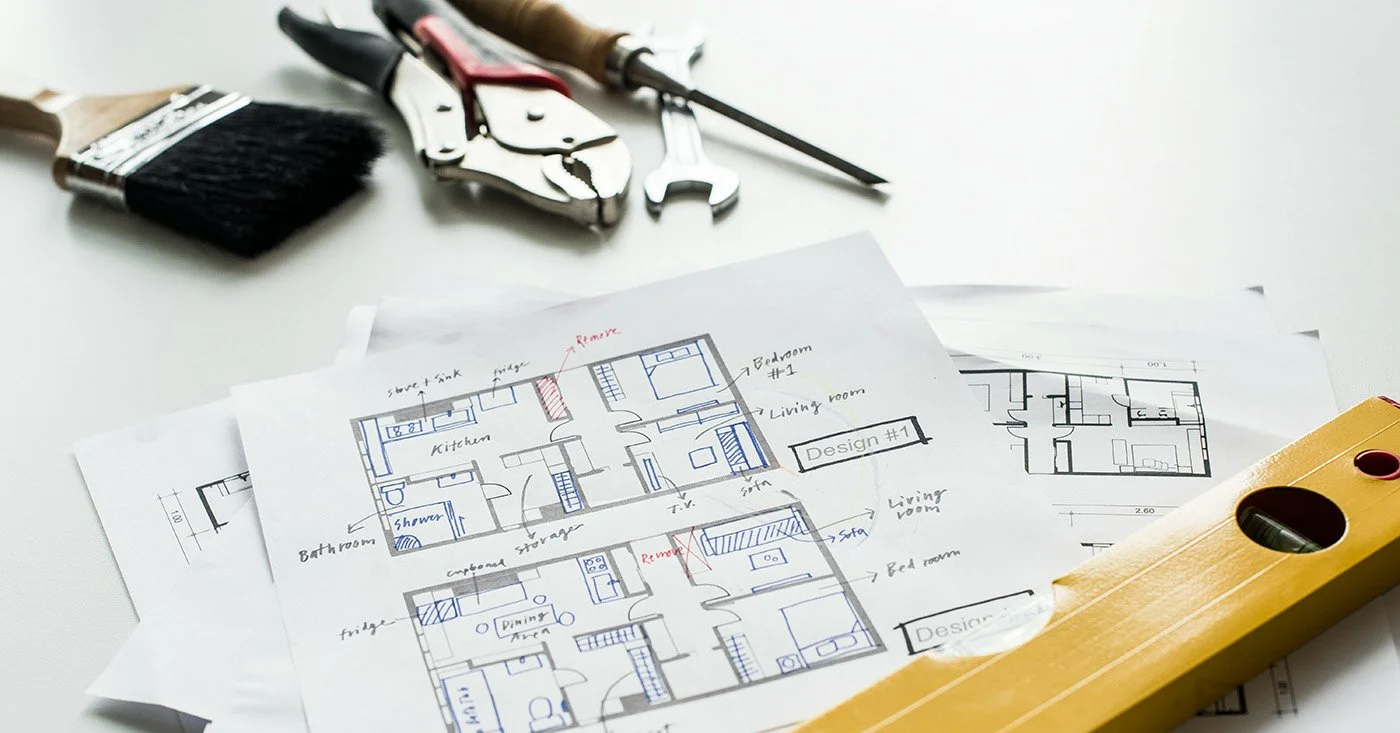
Another major advantage of renovated homes is their broader market appeal. A move-in-ready property attracts a wide range of buyers, including first home buyers, downsizers, and investors seeking immediate rental returns. This increased demand often leads to stronger competition, which can drive up the final sale price and reduce time on market. In contrast, unrenovated homes typically appeal to a narrower segment like builders, developers, and experienced renovators who are willing to take on the work. With fewer buyers competing, these properties can sometimes take longer to sell and may not achieve the same price levels.
That said, unrenovated homes still hold a valuable place in the market and can, in certain circumstances, deliver exceptional results. In tightly held suburbs or high-demand locations, buyers are often drawn to properties with untapped potential. When multiple buyers recognise the same opportunity to add value, competition can intensify, pushing prices higher than expected. Additionally, in prestige markets, buyer preferences can shift. High-end buyers often prefer to renovate to their own tastes and specifications. In these cases, a poorly executed renovation can actually limit appeal, whereas a clean, original home provides a blank canvas and greater flexibility.
For many sellers, the most effective strategy lies somewhere between fully renovated and completely untouched. Rather than undertaking a costly and time-consuming full renovation, focusing on simple, cost-effective improvements can yield strong results. Fresh paint, decluttering, professional styling, minor landscaping, and updated lighting can significantly enhance a property’s presentation. These updates improve first impressions, create a sense of space and cleanliness, and allow buyers to better envision themselves living in the home all while keeping costs under control.
Ultimately, while renovated homes generally achieve better results due to their broader appeal and reduced risk for buyers, the decision to renovate should never be viewed in isolation. The real question is not simply whether to renovate, but how to position the property most effectively within the current market.
Success in real estate is driven by a combination of presentation, pricing strategy, and an understanding of buyer psychology. Whether a home is fully renovated, partially updated, or entirely original, aligning the property with buyer expectations is what ultimately determines the outcome.